LACMA Opens Its Landmark $742m David Geffen Galleries
One of the most significant museum openings in a generation has just taken place, and for exhibit fabricators, AV integrators, conservation specialists and cultural attraction designers, it represents both an inspiration and a procurement case study at extraordinary scale.
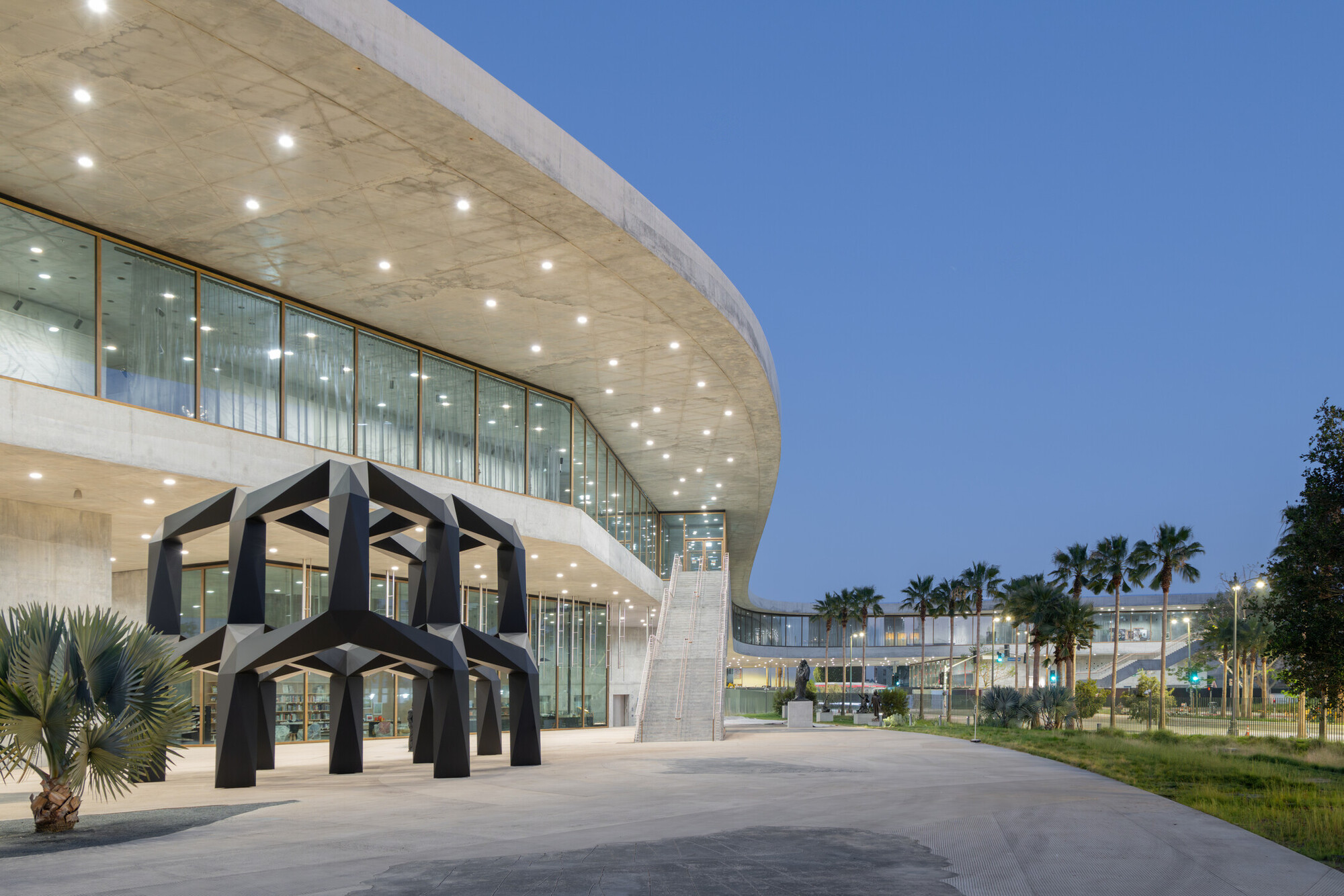
The Los Angeles County Museum of Art opened its new David Geffen Galleries to the public on 19 April 2026. Designed by Pritzker Prize-winning Swiss architect Peter Zumthor, the building presents the museum’s permanent collection in an elevated, single-level exhibition space, with artworks from all cultures and eras arranged without hierarchy or prescribed visitor pathways, spanning 6,000 years of art history across approximately 155,000 objects.
The new building is a 100,000-square-foot glass-and-concrete structure that stretches approximately 900 feet across Wilshire Boulevard on Los Angeles’s Miracle Mile, and its completion caps nearly two decades of campus transformation. Previous phases included the opening of the Broad Contemporary Art Museum in 2008 and the Lynda and Stewart Resnick Exhibition Pavilion in 2010, which together added 100,000 square feet of gallery space.
For suppliers, the project is a masterclass in what large-scale museum investment looks like in practice. The exhibition level features floor-to-ceiling glass panels that open galleries to natural light and panoramic city views, while sheltered interior galleries accommodate light-sensitive works, a design that places precise environmental control at the heart of the building brief. Below the exhibition floor, a series of pavilions house three restaurants and cafés, the LACMA Store, a 300-seat theatre, and the museum’s education facilities, alongside 3.5 acres of new outdoor public space activated with artist commissions.
With the galleries now open to members and set to welcome the general public from 3 May, LACMA’s transformation stands as a defining example of how ambitious long-term investment in exhibit infrastructure, conservation environments, and visitor experience design can reposition a cultural institution on a global stage.